Start with Eugene's actual building materials
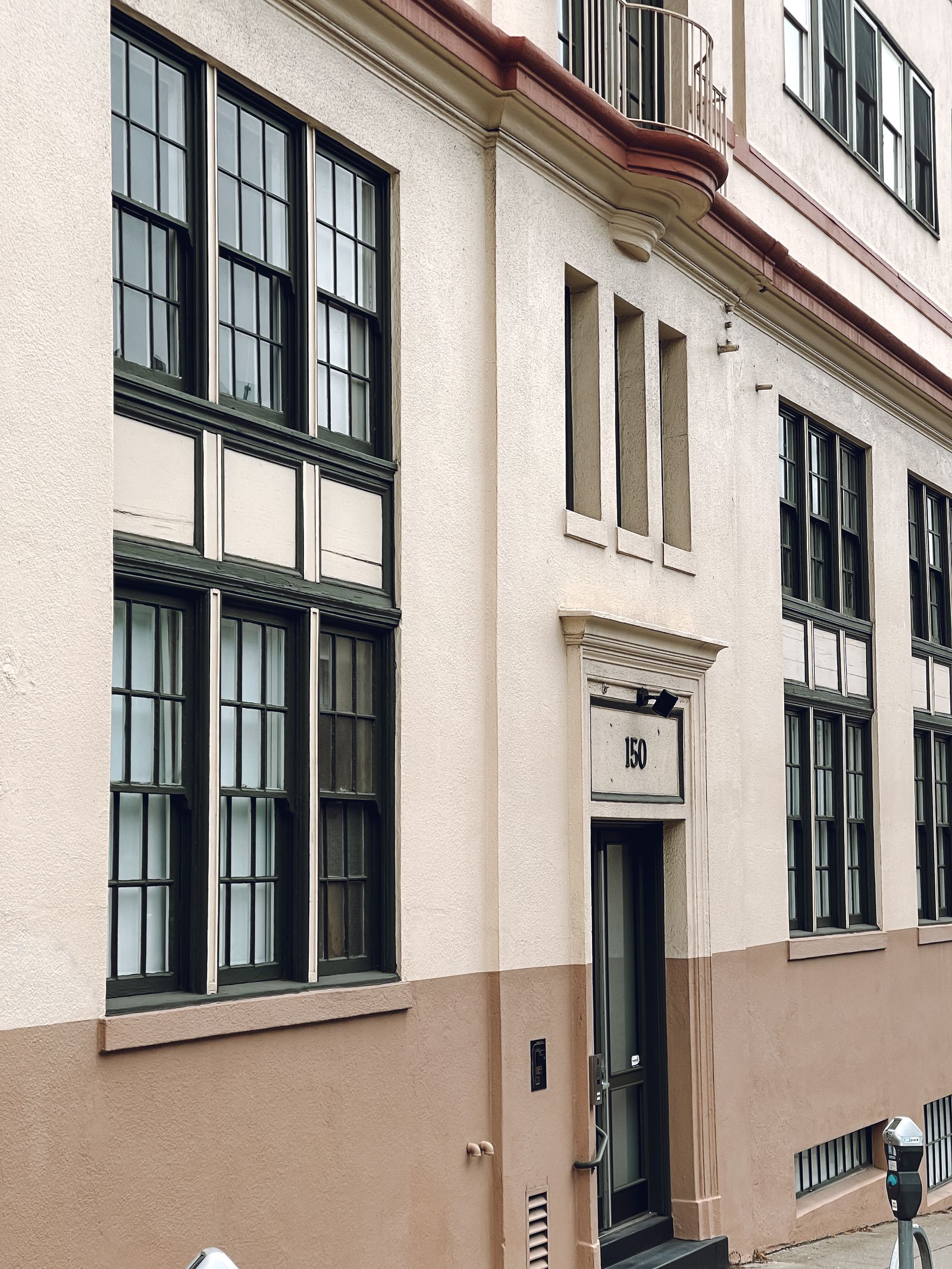
Eugene properties commonly combine brick, mortar, concrete, painted block, stucco, EIFS, metal panels, glass, awnings, signage, sealants, and repaired sections. A downtown storefront may place older masonry beside newer glazing. A university building may have broad concrete walks, covered entries, bike traffic, and landscaping close to the wall. A medical or senior-care property may need careful protection around patient paths, air intakes, and accessible drop-offs. The cleaning process should follow those differences instead of applying one pressure or solution to every elevation.
A compatible soft-wash process can help with organic staining, pollen, moss-like growth, bird residue, and some atmospheric film when chemistry, dwell time, rinse, and protection match the substrate. It is not a repair for open mortar, failed sealant, cracked concrete, leaking roof edges, spalling, corrosion, or failing paint. A green or black mark may also be mineral residue, soot, oxidation, or a drainage problem. A useful proposal identifies likely staining causes, representative test areas, included elevations, expected improvement, and limitations before work begins.
- Separate brick, mortar, concrete, glazing, metal, stucco, EIFS, painted, and coated areas.
- Distinguish organic growth from mineral deposits, oxidation, traffic film, and recurring water marks.
- Use test areas when coatings, repairs, historic materials, or staining causes are uncertain.
- Keep masonry repair, glass polishing, leak diagnosis, and coating replacement outside a routine wash scope.
Build the scope around Eugene customers and corridors
The University of Oregon area, downtown Eugene, the Whiteaker, South Eugene, and the River Road corridor bring different building uses and different public movement. A campus-adjacent office or student-facing property may need clear walkways, bike routes, event timing, and a sequence that avoids peak class changes. Downtown hotels, restaurants, and offices may prioritize a visible entry, storefront glazing, sidewalks, and a polished appearance before visitors arrive. A building near Oakway Center or Valley River Center may need work coordinated with tenants, parking, deliveries, signs, and customer traffic.
Healthcare and education properties along Hilyard Street, East 13th Avenue, Coburg Road, and River Road may need accessible routes, patient privacy, emergency access, and predictable notices. Offices around downtown, Gateway, and West Eugene may prefer phased elevations outside arrival and lunch periods. Industrial, warehouse, and distribution buildings near the Eugene Airport, Highway 99, and the Beltline may have wide metal or concrete walls, loading areas, truck movements, security rules, and soil or exhaust film that should be distinguished from moss or algae-like staining. Retail and hospitality sites often need a method that keeps the most important entrance usable while less visible elevations are completed.
A quote should connect the work to the customer's purpose: preparing for a move-in, improving a guest arrival, supporting a tenant turnover, refreshing a campus-facing facade, maintaining a medical property, or establishing a recurring exterior-care schedule. That purpose influences the sequence, timing, access, protection, documentation, and follow-up recommendations.
Plan for Pacific rain, moss, pollen, and slow drying
Eugene's wet season can leave shaded north-facing walls, recessed entries, parapets, lower masonry, and areas beneath trees damp for extended periods. Moss-like growth and organic staining can be more noticeable where leaves collect or roof water reaches the facade. Spring pollen can settle on ledges, signs, windows, and light-colored cladding. Summer may provide a better drying window, but direct sun, warm surfaces, and active landscaping still affect dwell time and protection. The weather plan should consider rain probability, wind, surface temperature, humidity, and the time needed for a controlled rinse and inspection.
Rain is not simply a scheduling inconvenience. It can dilute an application, push rinse water across a sidewalk, redirect soil toward a low point, or make a route slippery while people are moving through it. The site contact and crew should agree on pause and reschedule triggers before hoses, barriers, lifts, or aerial equipment are staged. Wind matters for overspray, tree movement, barriers, plant protection, and any operation above ground.
Recurring streaks often point to a source that cleaning alone cannot correct. Overflowing gutters, blocked downspouts, failed flashing, parapet joints, irrigation spray, roof-edge defects, or a low facade beside a poorly draining walk can keep one area wet. The team can document visible conditions for the owner to investigate with a roofer, mason, contractor, or building-envelope professional. Treating the visible symptom without addressing the water path usually shortens the value of the cleaning.
- Review forecast, wind, humidity, surface temperature, rain timing, and drying before each phase.
- Inspect gutters, scuppers, downspouts, parapets, canopies, joints, and irrigation near repeat staining.
- Protect plants, glazing, metals, air intakes, bike routes, accessible paths, and neighboring surfaces.
- Set clear weather pauses before equipment and pedestrian controls are placed.
Choose access that fits height and the site
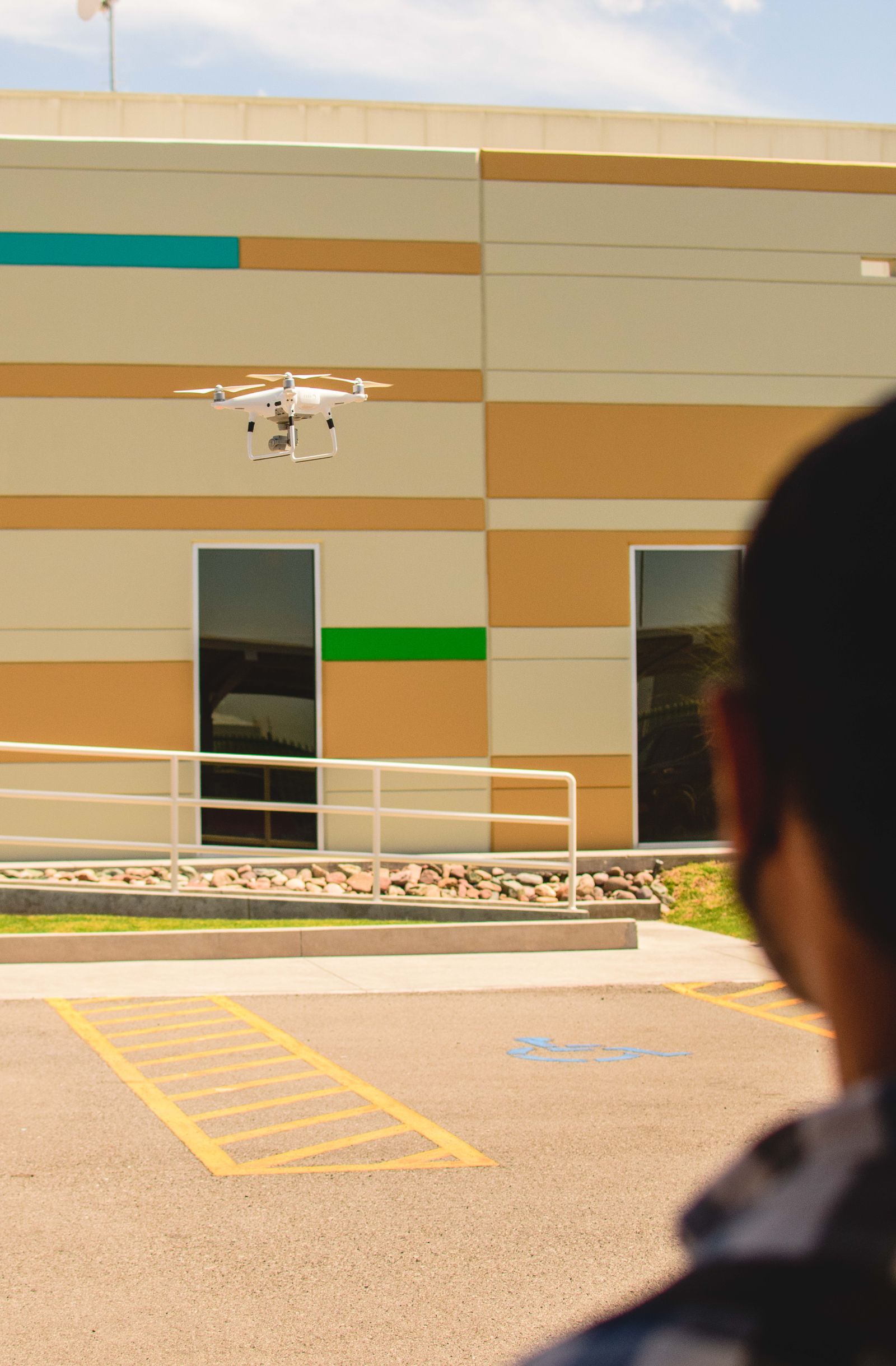
Drone assistance may be considered for suitable broad upper elevations when facade compatibility, stand-off distance, wind, visual control, launch and recovery space, public separation, and water management support the work. It can reduce some repositioning for selected parapets, tall walls, ledges, or sign bands. It does not make an unsuitable solution appropriate, replace close condition assessment, clean every piece of glass by contact, remove bonded mineral scale, or repair joints and coatings. The proposal should identify where aerial support is expected and what remains ground, pole, lift, or hand work.
Eugene sites can include mature trees, overhead utilities, covered walkways, balconies, rooftop equipment, signs, active streets, bike lanes, construction activity, and nearby airport operations. The address must be reviewed for airspace, wind, people, vehicles, recovery space, and overspray controls. Commercial drone activity remains subject to applicable Federal Aviation Administration requirements; a property owner's permission does not replace aviation rules or required authorizations. When controls are not adequate, a lift, water-fed pole, ground setup, or hybrid plan is the better choice.
A hybrid scope may pair aerial support on an appropriate upper wall with a water-fed pole for selected glass, controlled low-pressure cleaning on durable concrete, and hand detailing around entries, signs, canopies, gutters, and architectural features. Height does not decide the method by itself. Material, soil, access, people, drainage, wind, and the achievable result all belong in the decision.
Protect active Eugene properties and stormwater paths
Before applying water or cleaning solution, map entrances, accessible routes, bike and pedestrian paths, loading doors, air intakes, cameras, electrical equipment, landscaping, outdoor seating, vehicles, signs, and neighboring tenants. A university property may need a spotter during class changes. A clinic may require an unobstructed patient route. A hotel may need its lobby approach open. An industrial site may need security and dock coordination. A retail center may need notices and a sequence that keeps the primary entrance available.
The field plan should identify water access, hose routing, barriers, spotters, protection, emergency paths, and the person authorized to pause work. Eugene parking lots and commercial walks can drain toward catch basins, curb inlets, landscaped swales, detention areas, or lower garage entries. The site contact should identify those features before setup and explain any property-specific stormwater requirements. Water should be managed deliberately rather than allowed to find its own path across a busy site.
Documentation helps the facilities team make a practical decision. Photos or notes can show representative pre-work conditions, completed elevations, remaining deposits, existing damage, and visible drainage issues. A quote can list working hours, access assumptions, tenant coordination, protection, weather contingencies, exclusions, and phasing. When a building stays open, the customer is buying a controlled process as much as a cleaner facade.
- Locate accessible routes, entrances, air intakes, loading areas, landscaping, vehicles, and public paths.
- Confirm water access, hose routes, barriers, spotters, security, and emergency access before staging.
- Coordinate class changes, patient visits, guest arrivals, tenant activity, deliveries, and production.
- Record completed zones, remaining deposits, pre-existing damage, and conditions needing another trade.
Get a Eugene quote built around the result
Send the address, building use, approximate height, facade materials, problem elevations, desired timing, operating hours, water access, and nearby drainage features when requesting a quote. Photos of the main entrance, shaded wall, upper elevation, roof edge, loading area, windows, and parking-side runoff can make the first conversation more productive. Mention moss-like growth, pollen, bird residue, recurring streaks, loose materials, coating failures, previous cleaning damage, or any access restriction that could change the scope.
Ask the proposal to identify included elevations, test areas, method by material, access equipment, plant and glazing protection, pedestrian controls, runoff assumptions, weather contingencies, exclusions, and documentation. Ask which deposits may not respond to routine soft washing and which conditions should be reviewed by another trade. You do not need to decide between soft washing, controlled pressure, aerial support, or a hybrid plan before contacting a professional. The purpose of the site review is to make that choice specific to the building.
To discuss an Eugene property, call +1 239-351-2897 or email contact@dronebuildingcleaners.com. Drone Building Cleaners can help you get in touch, review the operating context, and prepare a quote focused on the appearance, access, and schedule your facility needs.